Subconscious reprogramming is the intentional process of identifying and altering the deep-seated, automatic programs of thought, emotion, and behavior that are stored in the subconscious mind. It is a form of self-directed change that operates on the premise that to create lasting transformation, one must change the root “code” that governs their life, rather than merely managing the surface-level symptoms with conscious effort.
Definition: Changing Your Inner Programming
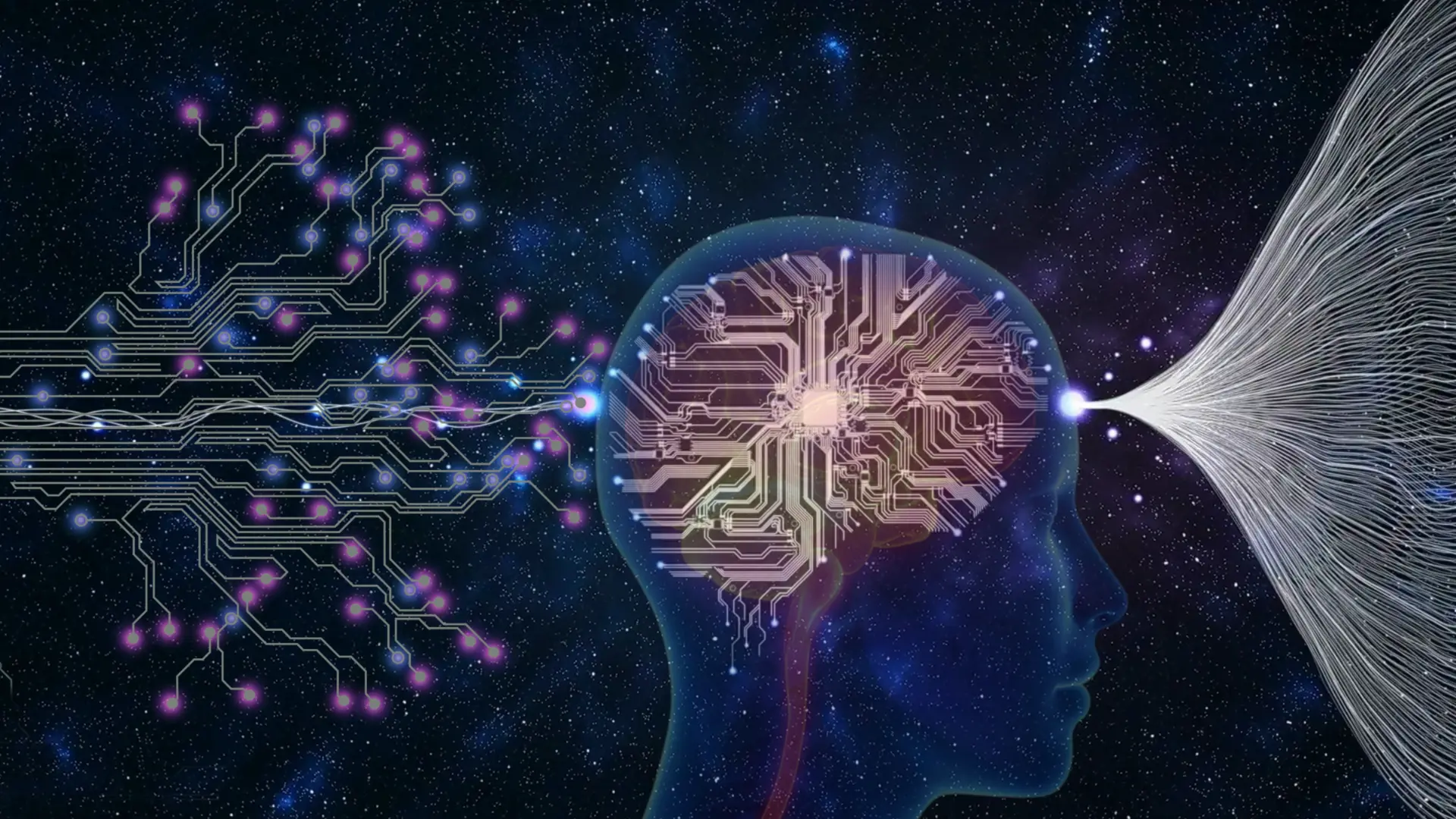
Subconscious reprogramming is best understood through a metaphor: if your conscious mind is the user of a computer, your subconscious mind is the operating system and all its installed software. Much of this software—your habits, beliefs, and automatic emotional reactions—was programmed in your early life without your consent. Subconscious reprogramming is the process of accessing this underlying code, debugging the “programs” that no longer serve you (like limiting beliefs or bad habits), and intentionally installing new, more effective software that aligns with your conscious goals. In modern cognitive psychology, this underlying code is often referred to as implicit memory or the unconscious mind, encompassing all automatic cognitive processing.
A Brief Review of the Two Minds
To understand reprogramming, one must differentiate between two distinct but interconnected cognitive processing systems.
- The Conscious Mind: This is your analytical, rational faculty. It governs executive function, explicit willpower, and working memory, but possesses a strictly limited processing bandwidth. A primary operational mechanism of this conscious state is the critical factor—a heuristic filter that scrutinizes incoming stimuli and routinely rejects data contradicting established cognitive schemas.
- The Subconscious Mind: This vast, parallel-processing system operates below deliberate awareness. It functions as the repository for long-term potentiation, autonomic regulation, and implicit learned behaviors. It lacks analytical filtering, operating purely on installed programmatic associations, thereby dictating the overwhelming majority of human behavior.
The Principle of Mental Plasticity
The entire concept of subconscious reprogramming rests on the principle that the mind’s programming is malleable, not fixed. This malleability is explained by both a scientific mechanism and a psychological strategy.
The Scientific Basis: Neuroplasticity
Subconscious reprogramming is not a metaphorical concept; it is a real, physical process grounded in the science of neuroplasticity. This is the brain’s inherent ability to reorganize its structure and function by forming new neural connections throughout life. Every time you have a thought or perform an action, you strengthen the corresponding neural pathway. A deeply ingrained habit or belief is simply a well-traveled, highly efficient neural highway in your brain. This illustrates Hebb’s Law—the neuroscientific axiom that ‘neurons that fire together, wire together’—where behavioral repetition paired with high emotional valence accelerates synaptic consolidation. The process of reprogramming involves consciously and repeatedly introducing a new thought or behavior, which begins to carve out a new neural pathway. Over time, as you direct more mental traffic down this new path, it becomes stronger and more myelinated, while the old, unused pathway begins to atrophy. You are, in a very real sense, physically rewiring your brain.
The Psychological Strategy: Bypassing the Critical Factor
You cannot reprogram the subconscious by simply telling it to change, because the conscious mind’s critical factor (also known as the psychic censor) will almost always intercept and reject the new command if it conflicts with the old programming. In academic literature, this gatekeeping mechanism aligns with confirmation bias and cognitive dissonance, where the brain actively rejects data conflicting with established schemas to minimize metabolic expenditure. For example, if you have a deep-seated belief that “I am not worthy,” consciously telling yourself “I am worthy” often fails because the gatekeeper immediately flags it as false based on its existing data. Therefore, the main psychological strategy of all reprogramming techniques is to temporarily bypass this critical factor. This is typically achieved by inducing states of deep relaxation or highly focused attention (such as in meditation, hypnosis, or gnosis, as they call it in Chaos Magick), which causes the analytical mind to quiet down, opening a direct window of communication to the receptive subconscious mind.
Mental Reprogramming Modalities
Subconscious reprogramming can involve the following protocols to induce neurological adaptation:
- Cognitive Behavioral Restructuring: The systematic identification and disputation of maladaptive cognitive distortions, gradually overriding localized neural pathways through rational, sustained repetition.
- Emotionally Charged Visualization: Utilizing mental rehearsal to activate the same neural networks as physical execution. The subconscious cannot distinguish between a vividly imagined event and objective reality, allowing for synthetic experience accumulation.
- State-Dependent Induction: Utilizing techniques like binaural beats, auto-suggestion, or clinical hypnotherapy to shift brainwave frequencies from beta to alpha or theta states. These diminished frequencies temporarily suppress executive filtering, permitting direct semantic injection into the implicit memory system.
The Goal of Subconscious Reprogramming
The ultimate goal of subconscious reprogramming is to create coherence between your conscious desires and your subconscious programming. When your subconscious beliefs and habits are aligned with what you consciously want to achieve, you no longer have to rely on the limited and easily depleted resource of willpower. Instead of fighting against your own automatic patterns, your actions become effortless and congruent with your goals. The objective is to make your desired state of being—whether it’s confidence, health, or focus—your new, automatic default.