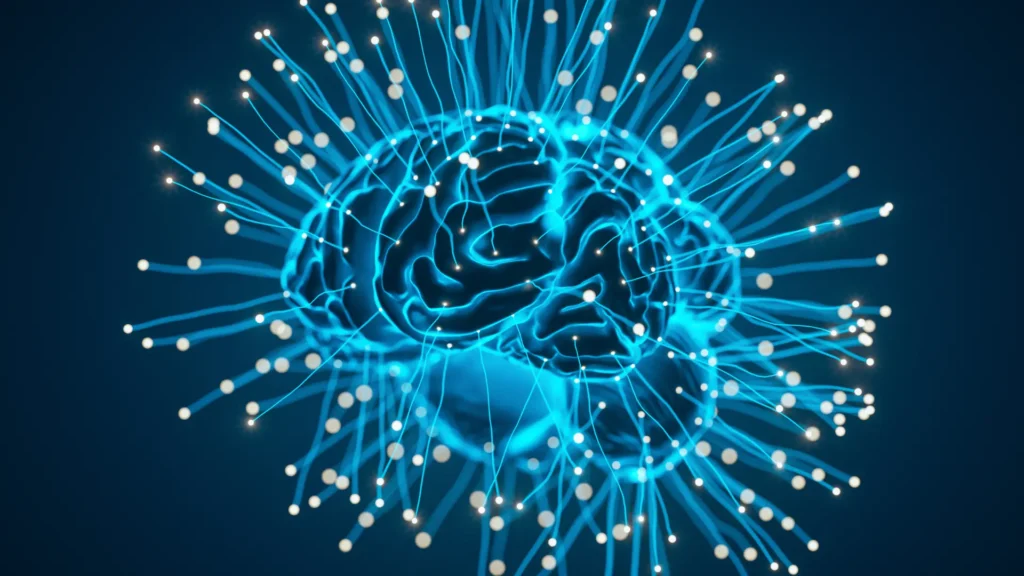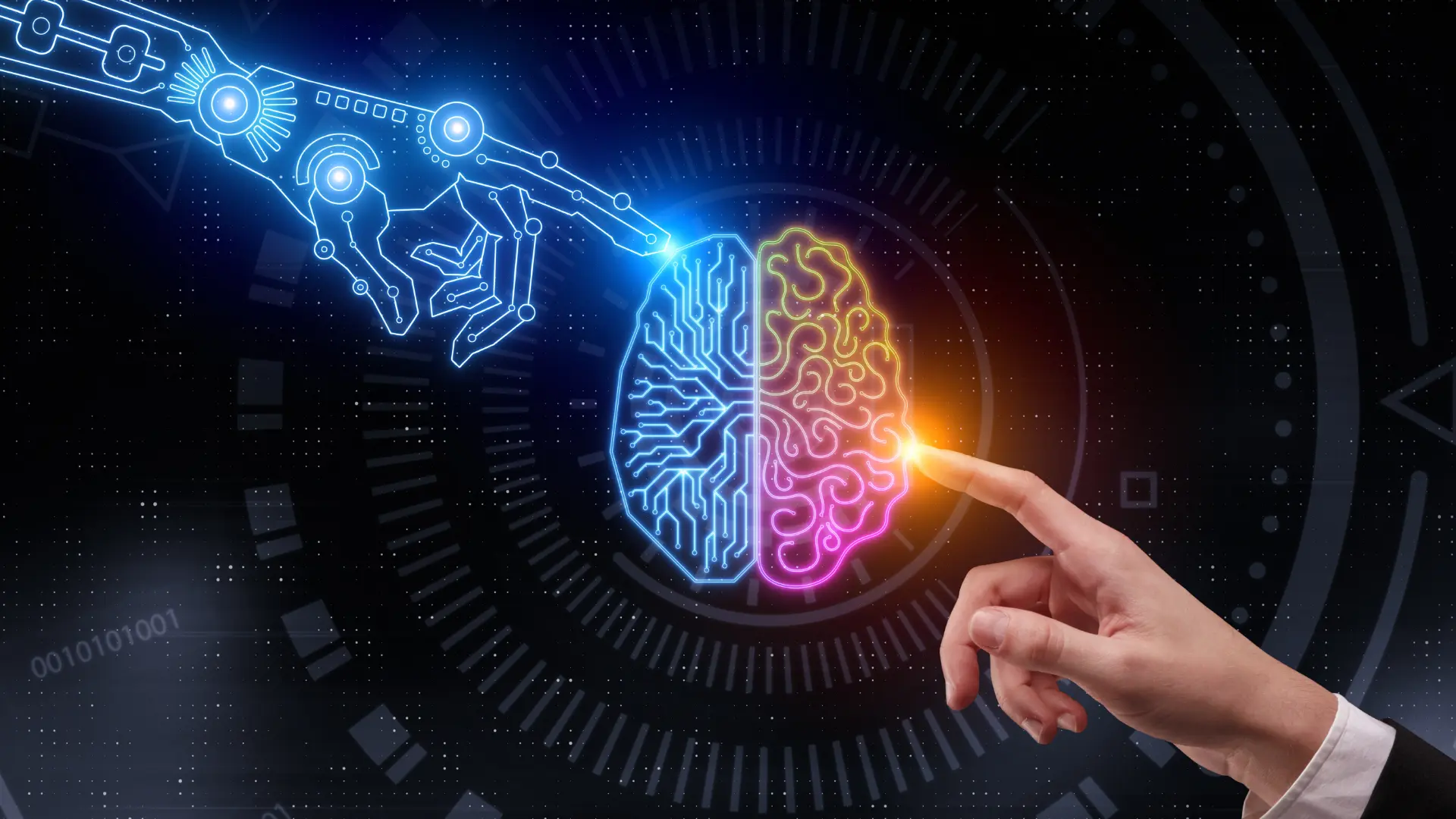
Neurohacking is a specialized subset of biohacking focused exclusively on the intentional modulation of the brain and nervous system. It is the practice of using a variety of tools—from chemical supplements to advanced meditation techniques—to optimize cognitive function, enhance mental states, and take conscious control of your own neurology.
Definition: A Subtype of Biohacking
While biohacking is a broad term for optimizing one’s entire biology, neurohacking narrows its focus to the nervous system. A neurohacker views the brain not as a fixed entity, but as a complex, adaptable system that can be upgraded. The practice involves making specific interventions to improve metrics like focus, memory, mood, and creativity. It is a form of self-directed neuroplasticity, aimed at deliberately rewiring the brain for better performance and well-being.
The Neurohacker’s Toolkit
Neurohacking employs a wide range of methods, which can be categorized into three main types of interventions.
Chemical Interventions: Nootropics and Adaptogens
This is the most well-known form of neurohacking, involving the use of substances to alter brain chemistry.
- Nootropics, or “smart drugs,” are compounds designed to enhance cognitive function. This includes substances like NALT (N-Acetyl L-Tyrosine), an amino acid that is a precursor to dopamine and can support focus under stress, as well as various other compounds that influence neurotransmitter systems.
- Adaptogens are natural substances, typically herbs, that help the body and brain build resilience to stress. Herbs like Rhodiola rosea and Ashwagandha (Withania somnifera) have been used for centuries to modulate the body’s stress response, primarily by regulating cortisol levels.
- Beyond amino acid precursors, synthetic cognitive enhancers such as racetams and cholinergics are frequently utilized to optimize acetylcholine neurotransmission, facilitating synaptic plasticity.
Technological Interventions: Neurofeedback & Neuromodulation
Technological neuro-optimization integrates endogenous bio-cybernetic feedback loops with exogenous neuromodulatory stimuli to systematically investigate and refine cognitive architecture.
Neurofeedback employs real-time electroencephalography (EEG) to render cortical oscillatory dynamics perceptible, enabling operant conditioning of discrete frequency bands; practitioners cultivate volitional access to neurocognitive states—Beta (sustained analytical engagement), Alpha (calm vigilance), or Theta (associative, hypnagogic processing)—through reinforced self-regulation.
Active neuromodulation complements passive monitoring by introducing calibrated external stimuli to influence neural network dynamics. Transcranial Direct Current Stimulation (tDCS) delivers low-intensity electrical currents via scalp electrodes to gently bias excitability in targeted cortical regions. Concurrently, Vagus Nerve Stimulation (VNS) interfaces with the Parasympathetic Nervous System (PNS) to modulate autonomic balance, attenuate stress physiology, and influence neuroimmune signaling pathways.
Practice-Based Interventions: Meditation and Training
These are non-invasive methods that use the mind’s own power to change the brain. Advanced forms of meditation and specific mental training systems are powerful neurohacking tools that create lasting changes in neural structure and function through consistent practice.
Psychosomatic Training as Applied Neurohacking
My own Psychosomatic Training method is a form of deep, practice-based neurohacking. It is an integrative system that combines breathwork, visualization, mind-body interventions, and ki energy manipulation to teach an individual how to take conscious control of their Autonomic Nervous System (ANS). From this perspective, learning to direct “ki energy” is the practice of learning to direct and facilitate your own neural impulses, effectively optimizing the communication pathways of your nervous system. This consciously modulates vagal tone, capitalizing on the bi-directional communication of the gut-brain axis to influence systemic psychophysiological states.
Neuromancy: A Neuroscientific Model of Magick
An even more advanced framework for practice-based neurohacking is what I call Neuromancy. This is a paradigm from my own work in Chaos Magick that reframes esoteric and magickal acts through the lens of neuroscience. A Neuromancer perceives these ancient practices as sophisticated techniques for self-directed brain modulation, thereby demystifying them.
For example, in the Neuromancy model:
- Chakra meditation is not a mystical act, but a form of directed attention toward the body’s major nerve plexuses and endocrine glands to consciously influence their function.
- Invoking a deity is a psychological technique for activating a specific archetypal pattern within one’s own psyche.
- Charging a sigil is an act of encoding an intention into a symbol to bypass the conscious mind and program the subconscious, leveraging the brain’s symbolic processing capabilities.
This paradigm views the adept not as a supplicant to external forces, but as a neurohacker who learns to consciously manipulate their own brain and nervous system to alter their internal reality.
The Goal: Conscious Brain Modulation
The ultimate goal of neurohacking, regardless of the tools used, is to achieve conscious brain modulation. It is the process of moving from being a passive experiencer of your own mental states to becoming an active, skilled operator of your own neurology. Whether through supplements, technology, or deep practice, the aim is to gain the ability to shift your brain state intentionally to match the demands of your environment, leading to greater focus, creativity, and overall mental resilience.