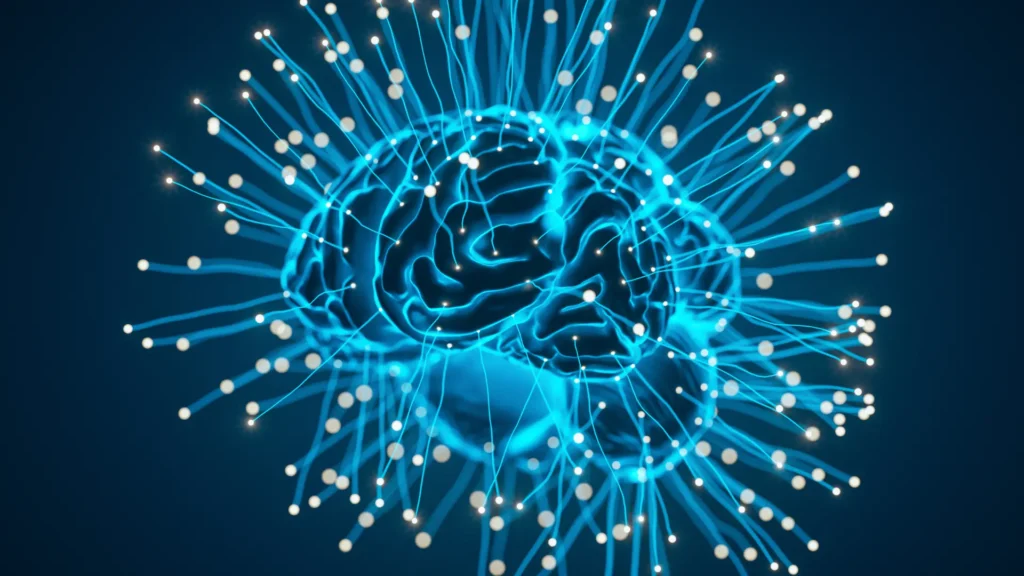
Emotional regulation is the set of conscious and unconscious processes used to manage which emotions you have, when you have them, and how you experience and express them. It is not about suppressing feelings, but about skillfully navigating your inner emotional landscape to respond to life’s challenges in a healthy and effective way.
Definition: The Skill of Managing Emotions
In psychological science, emotional regulation involves monitoring, evaluating, and modifying emotional reactions to achieve homeostasis and accomplish goals. According to James Gross’s seminal Process Model of Emotion Regulation, this modulation occurs across five distinct points: situation selection, situation modification, attentional deployment, cognitive change, and response modulation. This mechanism can be an automatic autonomic response or an effortful, conscious cognitive intervention. Healthy regulation requires deploying a versatile repertoire of adaptive strategies to manipulate the trajectory, latency, and magnitude of an emotional state.
The Neurobiology of Emotional Regulation
The ability to regulate emotions is a dynamic interplay between the primal, emotional parts of your brain and the more evolved, rational parts.
Amygdala: The Brain’s Alarm System
Located deep in the brain’s temporal lobe, the amygdala is part of the limbic system and acts as your emotional alarm. It is constantly scanning for potential threats in the environment. When it perceives a threat, it triggers a rapid, automatic “fight-or-flight” response, flooding your body with stress hormones before your conscious mind has even had a chance to process the situation.
Prefrontal Cortex: The Executive Manager
The prefrontal cortex (PFC), located at the very front of the brain, is your executive control center. It is responsible for rational thinking, planning, decision-making, and moderating social behavior. The PFC has the ability to “talk down” or override the amygdala’s alarm signal. Effective emotional regulation is the result of a strong and efficient communication pathway between the PFC and the amygdala, allowing your rational mind to assess a situation and decide whether the emotional alarm is justified.
Emotional Regulation vs. Self-Regulation
The terms “emotional regulation” and “self-regulation” are often used interchangeably, but they have a distinct relationship.
- Self-regulation is the broad, overarching ability to manage your thoughts, behaviors, and emotions to pursue long-term goals. It includes things like impulse control, attentional control, and delaying gratification.
- Emotional regulation is a specific and critical component of self-regulation. It is the part of self-regulation that deals exclusively with managing your emotional experiences and expressions. You cannot have effective self-regulation without having effective emotional regulation.
Why Is Emotional Self-Regulation Important
The ability to successfully manage your emotions is a cornerstone of a healthy and successful life. It is important for many reasons, including:
- Mental Health: Poor emotional regulation, or emotional dysregulation, is the main feature of many mental health conditions, including anxiety disorders, depression, and borderline personality disorder. Learning to regulate emotions is a primary goal of many forms of psychotherapy.
- Relationships: The ability to manage your emotional reactions prevents you from saying or doing things in the heat of the moment that can damage relationships. It fosters better communication and empathy.
- Goal Attainment: Achieving long-term goals requires the ability to tolerate frustration, persist through setbacks, and manage the stress that comes with ambition. Without emotional regulation, momentary feelings of discouragement can easily derail your efforts.
Emotional Regulation Strategies
There are many emotional regulation strategies and techniques, and they can be clustered into several categories:
- Cognitive: Reappraisal (valence/meaning reframing); Labeling (affect naming → prefrontal inhibition); Temporal distancing (future-self perspective); Self-distancing (observer-mode decentering); Decentering (thoughts ≠ facts); Defusion (cognitive detachment).
- Attentional: Selective focus (stimulus filtering); Distraction (goal-directed shift); Rumination interruption (pattern-breaking cues); Sensory grounding (5-4-3-2-1 anchoring); Attentional broadening (peripheral awareness expansion).
- Acceptance/Mindfulness: Nonjudgmental awareness (present-moment observation); Radical acceptance (reality acknowledgment); Urge surfing (impulse wave-riding); ACT values-alignment (committed action amid affect); Loving-kindness (compassion-focused affective shift).
- Behavioral/Somatic: Opposite action (DBT: urge-counterbehavior); PMR (tension-release cycling); Diaphragmatic breathing (vagal tone enhancement); Movement regulation (exercise-induced neurochemical modulation); Cold exposure (acute sympathetic reset).
- Interpersonal: Social sharing (affect labeling via disclosure); Co-regulation (attachment-based nervous system synchrony); Assertive expression (boundary-respectful communication); Help-seeking (strategic resource mobilization); Mirroring validation (reciprocal affect attunement).
- Preventive/Proactive: Situation selection (antecedent environment curation); Situation modification (contextual parameter adjustment); Mastery building (competence-affirming engagement); Gratitude/savoring (positive affect amplification); Biofoundational optimization (sleep/nutrition/caffeine modulation).
- Meta-Regulatory: Strategy flexibility (context-contingent deployment); Emotional granularity (differentiated affect discrimination); Interoceptive monitoring (bodily signal calibration); Recovery rituals (post-arousal restoration protocols); Implementation intentions (if-then contingency planning).