An energy healer is an adept who facilitates healing by interacting with the body’s subtle energy fields, often called the biofield. This practice operates on the principle that the human body is supported by a “life force energy”—known as Chi, Ki, or Prana. When this energy is blocked or imbalanced, dysfunction or illness can follow. The healer’s role is not to create the healing, but to act as a conduit, helping to clear these blockages and restore the body’s natural energetic flow and equilibrium. The ability to do this is not an exclusive gift; it is a skill acquired through specific training and attunements.
Definition of an Energy Healer
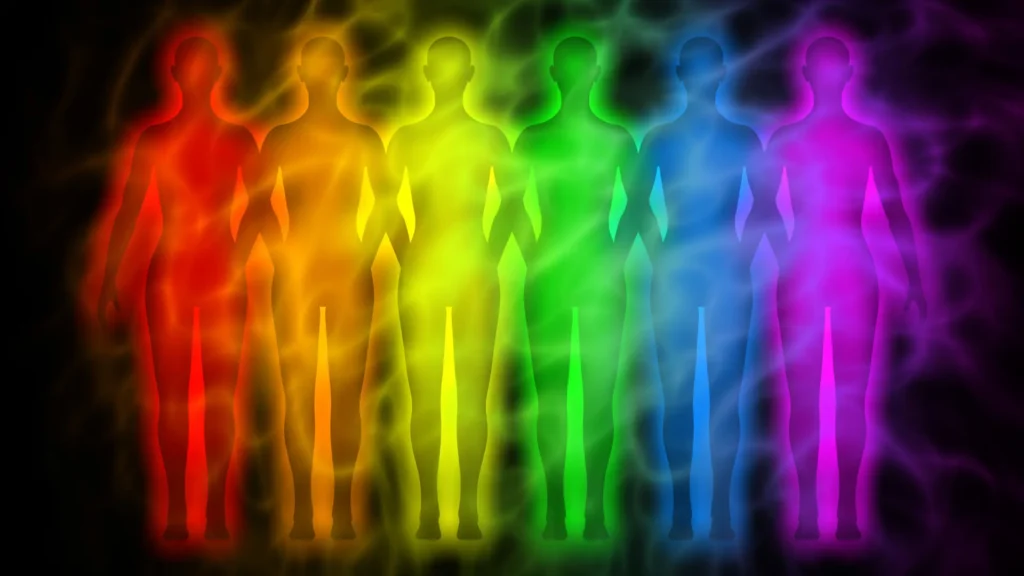
An energy healer is a practitioner trained to interact with the human energy field to promote homeostatic balance and support the body’s innate healing capacity. This framework is predicated on the metaphysical concept that the physical body is interconnected with a “subtle body” or “aura”—a biofield containing energetic hubs like chakras or dantians and conduits like nadis or meridians. Adepts learn to perceive energetic fluctuations, assessing for congestion or depletion within this localized field. Employing specific techniques, healers act as conduits for universal life force energy, directing it to the recipient to clear energetic disruptions. The primary objective is restoring energetic harmony, which practitioners posit subsequently supports physical, emotional, and cognitive well-being.
Healing Modalities: Reiki, Pranic Healing, and Others
Energy healing is a broad term encompassing numerous distinct systems or modalities. Among the most recognized are Reiki and Pranic Healing, which operate on different principles.
- Reiki: A Japanese biofield therapy wherein the practitioner channels universal life energy. This predominantly passive process involves the practitioner placing their hands lightly on or slightly above the recipient’s body in specific, often standardized positions. The energy is typically drawn by the recipient’s systemic deficits rather than forcefully directed by the practitioner’s volition. Reiki aims to induce deep parasympathetic relaxation.
- Pranic Healing: This is a more active and technical, non-touch system developed by Master Choa Kok Sui. The practitioner systematically “scans” the aura to detect energetic imbalances. They then use specific protocols to “cleanse” or remove the “diseased” or congested energy and subsequently “energize” the area with fresh prana (life force). It is a highly structured modality that treats the energy body with specific, targeted protocols.
Apart from these two, there are also other systems, some being more intuitive and informal, and others having a more defined structure. These include Shamanic Healing, Angelic Healing, Healing Touch, Intuitive Healing, Theta Healing, and more. All these systems are basically sub-classes/modalities of the energy healing/bioenergy therapy/energy medicine field.
Aptitude for Energy Healing
A common misconception is that energy healing requires a special, innate “gift” or psychic ability. While some individuals may possess a natural, heightened sensitivity to energetic shifts, the ability to practice formal energy healing is fundamentally a skill that can be acquired.
Most established modalities, including Reiki, are structured to be taught to anyone with a genuine intention, an open mind, and a willingness to learn and practice. The capacity to channel energy is considered inherent in all people; the training and attunement process simply awakens, activates, and refines this potential. Discipline, compassion, and clear intention are often more significant factors in a practitioner’s effectiveness than any perceived “natural talent.”
Practitioner Training and Attunement
Becoming a qualified practitioner involves a structured path of study and, most critically, initiation. The cornerstone of this training, particularly in a system like Reiki, is the attunement.
An attunement (or “initiation”) is a specific ritual performed by a qualified Master-Teacher. This process calibrates the student’s own energy system, opening their channels to receive and transmit the specific frequency of the healing energy for that modality.
Training is typically divided into sequential levels or degrees:
- Level I: Focuses on the history, principles, and basic hand positions. The student receives the first attunement, which opens their channels, and learns to perform self-healing and hands-on healing for others.
- Level II: The student receives further attunements and is taught sacred symbols. These symbols are tools that amplify the energy and allow the practitioner to perform distance healing (sending energy to someone not physically present).
- Master Level: This is the advanced level of practice. The Master Practitioner attunement strengthens the practitioner’s connection to the energy. A Master-Teacher receives the final attunements and training necessary to teach all levels and perform attunements for others.
Scientific Perspective and NCCIH Classification
From an empirical standpoint, the National Center for Complementary and Integrative Health (NCCIH) categorizes biofield therapies based on the measurability of the forces involved. Modalities utilizing electromagnetic radiation or sound waves fall under veritable energy, whereas traditional energy healing practices rely on putative energy—vital forces that currently elude standardized, reproducible scientific measurement. Consequently, mainstream biophysical and medical consensus attributes the reported clinical efficacy of these therapies to psychological mechanisms, deep relaxation responses, and the placebo effect, emphasizing that putative energy interventions serve strictly as complementary adjuncts rather than primary medical treatments.
Finding a Healer: Vetting and Credentials
When seeking an energy healer, diligence is essential to find a qualified and ethical practitioner. You must verify a practitioner’s credentials and training. Ask which modalities they practice and where they received their certification.
For traditional systems like Usui Reiki, it is appropriate to ask about their lineage. A verifiable lineage is an unbroken line of teachers tracing back directly to the founder of the system (e.g., Mikao Usui for Reiki). This ensures the teachings and attunements have been passed down authentically.
A professional practitioner will operate within a clear ethical scope.
- They will not diagnose a medical condition.
- They will not promise a “cure” or guarantee any specific outcome.
- They will not advise you to stop conventional medical treatment.
Energy healing is a complementary practice that supports, but does not replace, traditional medical care.
Experience is also a significant factor. A practitioner who has maintained a practice for many years and achieved senior levels, such as Master-Teacher, demonstrates a deep commitment to their path. For context, I, Daniel Domaradzki, am a certified Reiki Master-Teacher in several systems, including Usui, Kundalini, Gold, Tachyon, Aurora Reiki, and a few others. I began my formal practice in the year 2000 and achieved the Master-Teacher level in 2007. This depth of experience informs a practitioner’s ability to hold space, maintain energetic hygiene, and effectively facilitate healing for their clients.