Psychosomatic Training is a modern, integrative system designed to restore the union between the mind and body, allowing for a level of self-regulation and healing that is often considered unattainable. It is not just a passive therapy but an active training methodology, built on the principle that the body is a direct reflection of the subconscious mind, and by learning to consciously influence one, you gain mastery over the other.
Definition and Origin
Psychosomatic Training is an active method of self-regulation and trauma healing developed by myself, Daniel Domaradzki. The system was born from years of research into a wide range of disciplines, from martial arts and energy work to modern neuroscience and hypnosis. I observed that many approaches treated the mind and body as separate entities, failing to address the deep, underlying patterns where trauma and chronic stress are stored. Psychosomatic Training was created to be a unified system that provides a practical framework for accessing and reprogramming these patterns directly at the source. This methodology synthesizes principles from psychoneuroimmunology—the study of the interaction between psychological processes and the nervous and immune systems—with practical somatic applications
Philosophy: The Mind-Body Union
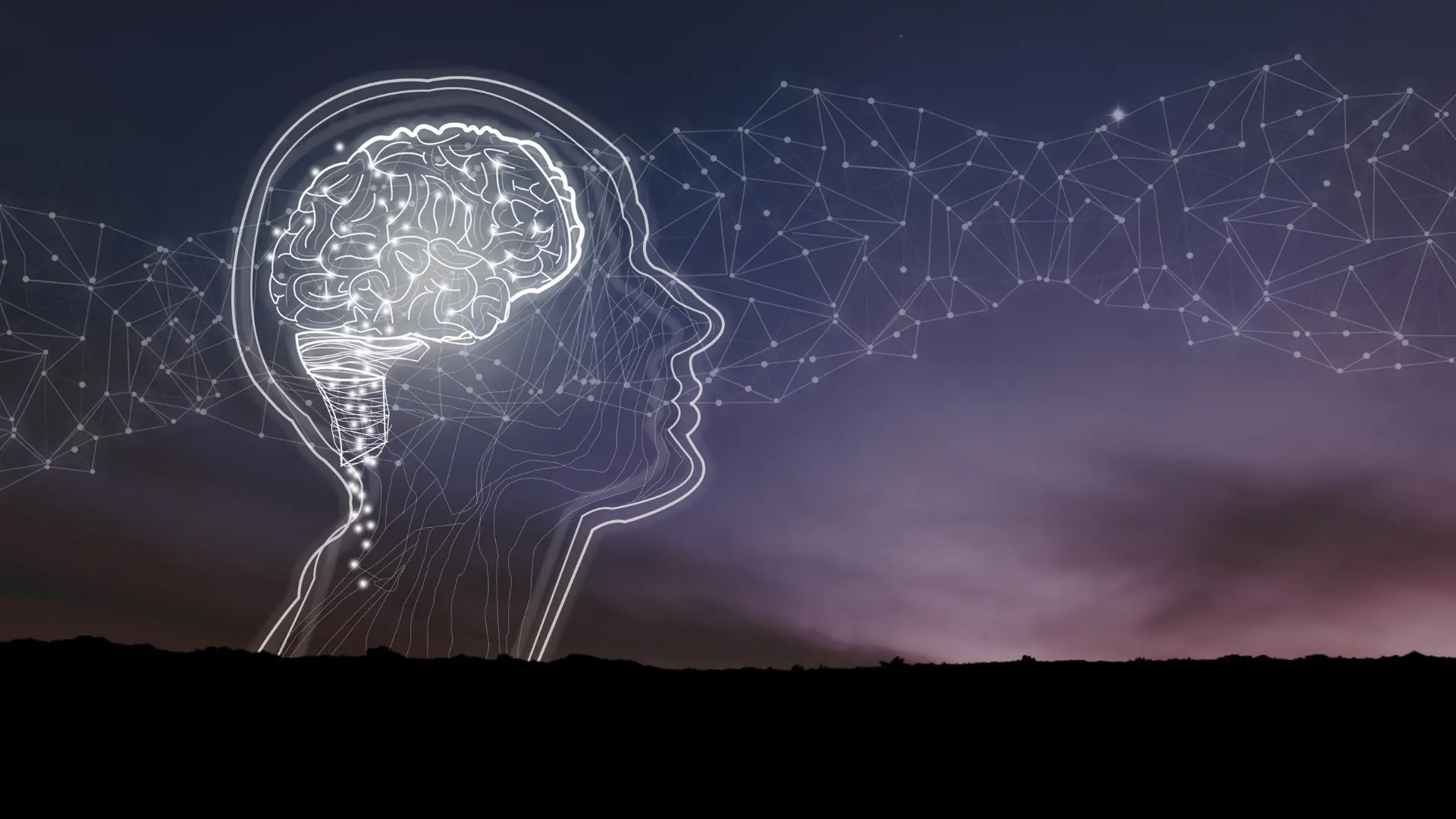
The system operates on the premise of bidirectional causality: mental states influence physiology, and somatic states dictate cognitive processing. The body acts as a repository for somatic markers—physiological changes triggered by emotional events. Unresolved stressors disrupt homeostasis, manifesting as chronic tension or inflammation. Rather than viewing symptoms as pathology, this training interprets them as bio-feedback signals, utilizing top-down processing (conscious intent) to resolve bottom-up (sensory) dysregulation.
Components and Techniques
Psychosomatic Training is an integrative system that combines several powerful modalities into a cohesive practice. The primary components include:
- Interoception Development: This is the foundational skill of learning to sense and feel the internal state of your body with a high degree of sensitivity. This is the key that unlocks conscious communication with your physiology. This practice targets the insular cortex, the brain region responsible for processing bodily sensations and emotional awareness, enhancing cortical regulation of physiological states.
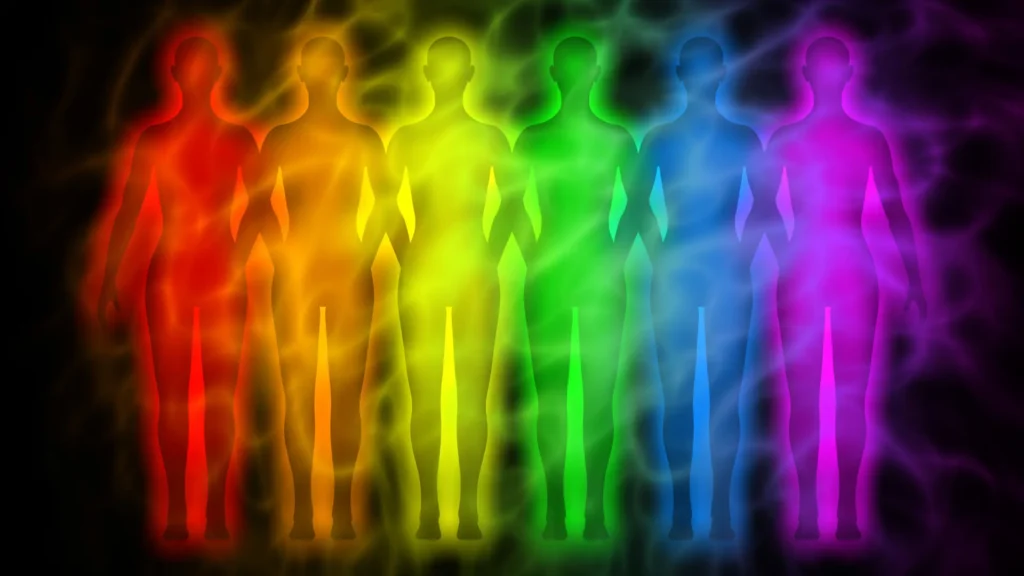
- Ki Energy Manipulation: Drawing from martial internal arts with modern bio-electric understanding, this component focuses on manipulating the body’s electromagnetic field. Practitioners learn to direct proprioceptive focus to specific anatomical regions, increasing blood flow and neural drive to dissolve fascial adhesions and energetic stagnation.
- Somatic Breathwork: The use of specific, targeted breathing techniques to directly influence the autonomic nervous system, release stored emotional energy, and oxygenate the body on a cellular level.
- Trauma-Informed Visualization: Using focused mental imagery not just for relaxation, but as a precise tool to communicate with the subconscious, re-pattern old neural pathways, and release the energetic imprint of past trauma.
Mechanisms of Action
To achieve self-regulation, Psychosomatic Training leverages the polyvagal theory. By engaging the parasympathetic nervous system through controlled respiration and somatic awareness, practitioners can shift out of sympathetic activation (fight-or-flight) and dorsal vagal shutdown (freeze). This recalibration of the autonomic nervous system reduces cortisol production, lowers systemic inflammation, and restores the body’s natural regenerative cycles. Then, advanced techniques are used to acquire control of more complex body and mind systems and influence factors like myofascial tension, digestion, and more.
Applications: Who Can Benefit
Because Psychosomatic Training addresses the fundamental root of how we store experience in the body, its applications are incredibly broad. It is particularly effective for:
- Individuals with Chronic Conditions: Those experiencing chronic pain, fatigue, inflammation, or other psychosomatic symptoms that have not responded to conventional treatment.
- High-Performers: Entrepreneurs, athletes, and other professionals who want to master their internal state for peak performance, resilience, and unshakeable focus.
- Anyone with Unresolved Trauma: The training provides a safe and empowering way to process and release the physical and energetic imprint of past trauma without necessarily having to re-live it verbally. Note: While effective, this modality is distinct from clinical psychotherapy; those with severe dissociative disorders should proceed under clinical supervision.
- Spiritual Seekers: Those looking for a practical, grounded method to deepen their self-awareness, master their own energy, and explore the full potential of their consciousness.
Differentiation from Standard Therapies
Unlike Cognitive Behavioral Therapy (CBT), which focuses on reframing thoughts to influence feelings, Psychosomatic Training utilizes a somatic-first approach. It bypasses cognitive analysis to address the physiological imprint of stress directly. Similarly, while it shares ground with Somatic Experiencing, this training emphasizes active skill acquisition and ki energy cultivation over passive processing, positioning the practitioner as the active agent of their own neural restructuring.
The Training Process: What to Expect
The process is an active, educational experience. It is a “training” in the truest sense—you are learning and practicing a set of skills. A typical session involves guided practice where you are led through interoceptive exercises to connect with your body’s sensations. From there, specific breathwork and energy manipulation techniques are introduced to begin influencing these states directly. The process is collaborative and empowering; the goal is to teach you how to become your own healer and master of your internal environment, not to create dependency on a practitioner.
The Goal: Psychosomatic Self-Mastery
The ultimate aim of Psychosomatic Training is not simply to relieve symptoms, but to achieve a state of psychosomatic self-mastery. This is the ability to consciously regulate your own nervous system, manage your emotional state, direct your body’s healing processes, and maintain a state of internal balance regardless of external circumstances. It is a profound shift from being a passive recipient of your body’s signals to becoming an active participant in your own well-being. My clients often experience this as a deep sense of “coming home” to their bodies, gaining a level of self-trust and personal power they previously thought was impossible.