Energy healing is a broad term for a range of holistic therapies that work with the body’s subtle energy systems to promote its innate capacity for self-healing. It operates on the fundamental principle that a living being is more than just a collection of physical parts; it is a dynamic, interconnected system of energy and information. The primary goal of any energy healing modality is to identify and clear energetic blockages, thereby restoring the system to a state of balance and harmonious flow.
Definition of Energy Healing
Energy healing is a therapeutic approach that falls under the category of complementary and alternative medicine (CAM). Its core premise is that the physical body is animated by a subtle “life force energy” and is surrounded by a corresponding energy field. Practitioners of energy healing work with this field to remove disruptions and encourage the proper flow of energy, which is believed to facilitate healing on physical, emotional, and mental levels. It is a holistic practice, meaning it addresses the whole person—mind, body, and spirit—rather than just isolated symptoms.
The Human Biofield
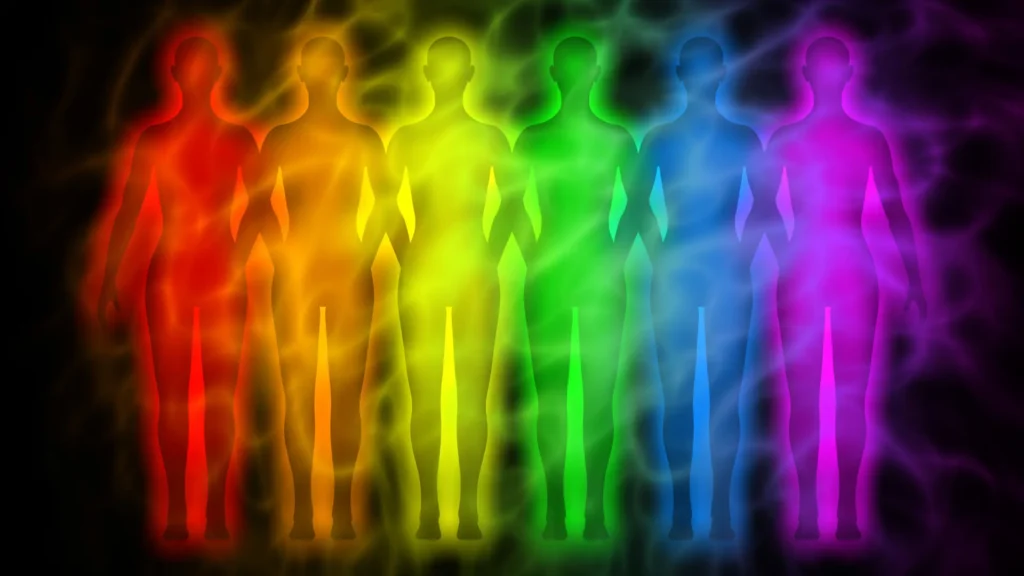
The medium through which energy healing is said to operate is the biofield, a term for the field of energy and information that surrounds and permeates all living systems. This concept, known in various traditions as the aura, acts as a blueprint for the physical body and often integrates specific energy centers known as chakras, which regulate the flow of subtle energy through the endocrine and nervous systems. It contains patterns of information related to our physical health, emotions, thoughts, and past traumas. A skilled practitioner learns to perceive or sense this field, identifying areas of stagnation, depletion, or imbalance that may correspond to a client’s symptoms.
How Energy Healing Works
The primary mechanism relies on the principle of entrainment and resonance. A healer, through somatic cultivation, establishes a high-amplitude, coherent oscillatory field. Through a process analogous to quantum entanglement, the practitioner acts as a bio-regulatory catalyst, influencing the client’s dissonant energy field toward synchronization. This interaction does not involve the depletion of the practitioner’s vital resources but rather amplifies the client’s inherent homeostatic intelligence, dissolving energetic physiological stagnation and stimulating autopoietic self-regulation.
Common Modalities and Techniques
The field of energy healing is diverse, with numerous modalities developed across different cultures and eras. Some of the most well-known include:
- Reiki: A Japanese technique where the practitioner acts as a channel for “universal life force energy,” which is typically transferred to the client through the hands to promote relaxation and healing.
- Pranic Healing: A no-touch system that involves systematically “scanning” the biofield to locate imbalances and then “cleansing” and “energizing” the affected areas with prana, or life force.
- Traditional Chinese Medicine (TCM): Systems like acupuncture and qigong are based on balancing the flow of Qi (life energy) through specific pathways known as meridians.
- Shamanic Healing: Ancient indigenous practices that work to restore spiritual and energetic balance, often involving processes like soul retrieval to heal trauma.
Client-Healer Relationship
The therapeutic alliance in energy healing is a dynamic symbiosis. The energy healer functions as an energetic fulcrum, holding a precise, detached intention to facilitate coherence, while the client’s role shifts from passive recipient to active participant via intentionality. This mutual synchronization creates a unified field where the client’s receptivity potentiates the intervention. Ultimately, the practitioner activates the client’s latent restorative capacities, reframing the healing trajectory as an internally driven, rather than externally imposed, biological imperative.
Distance and Non-Local Healing
A subset of energy medicine operates on the premise of non-locality, asserting that healing intention transcends spatial and temporal constraints. Drawing upon theoretical frameworks in quantum mechanics, specifically the observer effect and entanglement, practitioners of remote healing posit that energy is not bound by the inverse-square law of physics, allowing therapeutic effects to be transmitted instantaneously to recipients regardless of physical proximity.
Applications and Benefits
Energy healing is used to address a wide variety of conditions and is often utilized as a complementary therapy alongside conventional medical care. It is not intended to replace medical treatment but to support the overall healing process. Common applications include:
- Significant stress and anxiety reduction
- Management of chronic pain
- Releasing emotional trauma and limiting beliefs
- Accelerating recovery from injury or surgery
- Promoting a general sense of well-being, clarity, and peace
The primary benefit is the restoration of homeostasis—the body’s natural state of self-regulating balance. By addressing the energetic root of an issue, the physical and emotional symptoms often resolve as a natural consequence.